Welcome To HuiXin IOT : Pioneering RFID Solutions for a Connected World!
As technology advances, more pet owners are turning to RFID (Radio Frequency Identification) technology to enhance pet safety and management efficiency. RFID not only provides unique identification but also facilitates lost pet recovery, health record management, and smart access control. To maximize the benefits of RFID tags, pet owners must implement, select, and utilize this technology correctly. This
info-1-1
article explores how to implement RFID for pets, particularly dogs, and how to maximize its advantages.
1. Basics of RFID
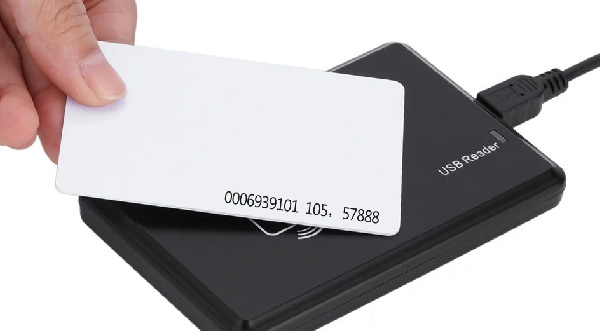
Radio Frequency Identification ( RFID) is a wireless communication technology that transmits data through electromagnetic fields to identify and track objects. It primarily consists of three components: tags, readers, and databases. RFID tags store specific information, readers retrieve data through wireless signals, and databases store and manage this information. Readers act like detectives, searching for tags and uncovering their secrets. This technology is highly effective in identifying objects and determining their location.
2. Functions of RFID Tags
RFID tags can be compared to a miniature library where specific information is stored, while readers function as tools that "read books." Only specialized scanning devices can interpret this information, enabling pet identification and tracking.
RFID tags are mainly divided into two types:
Passive RFID Tags: These tags do not have an internal power source. They remain inactive until a reader comes close and emits a signal, at which point the tag is "activated" and transmits data. Passive tags are small, cost-effective, and commonly used in implanted pet microchips for short-range identification.
Active RFID Tags: These tags have an internal battery, allowing them to continuously transmit signals even when a reader is not nearby. They are ideal for long-range tracking, such as pet collars with RFID tags that constantly send location data to the owner.
For regular households, passive tags are more economical and practical since they do not require charging and have a lifetime validity. However, active tags are better suited for high-demand users, such as farms, research institutions, or stray animal management organizations.
3. Detection Range
A pet's activity range is unpredictable, so selecting the appropriate tag depends on the detection range, which is influenced by its operating frequency. RFID tags are categorized into three frequency bands:
Low-Frequency RFID (LF, 125–134 kHz): Short reading distance (a few centimeters to several dozen centimeters), suitable for implanted pet microchips.
High-Frequency RFID (HF, 13.56 MHz): Reading range up to 1 meter, commonly used in pet collar tags.
Ultra-High-Frequency RFID (UHF, 860–960 MHz): Long reading range (several meters to over ten meters), useful for large-scale identification but more susceptible to interference from metals and water.
When choosing an RFID tag, it is essential to balance reading distance, data storage capacity, and environmental adaptability based on the specific application scenario.
4. Benefits of RFID Tags
1. Pet Identification
Uniqueness: Each RFID tag has a unique identification code, ensuring precise pet identification and preventing confusion.
Permanence: RFID tags, usually implanted under the pet's skin, are not easily lost or damaged, making them more reliable than traditional collars or nameplates.
Quick Recognition: RFID readers can quickly scan and retrieve tag information, especially useful for identifying lost pets or in emergencies.
2. Pet Management
Lost Pet Recovery: If a pet goes missing, veterinarians or animal shelters can scan the RFID tag to quickly contact the owner.
Health Records: RFID tags can be linked to pet health records, storing information such as vaccinations, allergies, and medical history, making veterinary management more efficient.
Travel and Boarding: RFID tags serve as a form of pet identification for international travel or boarding, complying with entry requirements in certain countries.
info-1-1
5. Implementing RFID for Dogs
To effectively use RFID tags for pets, owners should consider factors such as tag type, information encoding, and database registration. A well-planned RFID solution enhances safety and management efficiency.
Personalized Information Encoding
RFID tags primarily store important pet-related information for easy access when needed, including:
Basic Pet Information: Name, age, gender, breed, etc.
Health Status: Vaccination history, allergy records, medical conditions, etc.
Owner Information: Owner's name, contact details, home address, etc.
Special Notes: Dietary restrictions, aggressive behavior, etc.
This information helps with pet recovery in case of loss and provides veterinarians with valuable data in emergencies.
Database Registration
To ensure the effectiveness of RFID tags, pet owners should register the tag's ID number in a national or international pet database. This enables identification and recovery even if the pet is far from home.
Local Databases: Many cities and countries have pet registration systems. Pet owners can register RFID microchips through veterinarians or official institutions.
International Databases: Examples include PetLink, HomeAgain, EU Pet Database, which are ideal for pets that travel internationally.
Private Databases: Some RFID suppliers offer cloud-based management platforms, allowing pet owners to update pet information anytime.
Recording and regularly updating complete information in these databases ensures that lost pets can be identified and returned in any situation.
6. Maximizing the Advantages of RFID Tags
Beyond identification, RFID tags can integrate with smart devices and management systems to further enhance pet safety and convenience.
Smart Access Control
RFID-enabled smart pet doors can automatically recognize pet identities, allowing only authorized pets to enter or exit:
Prevents Stray Animal Intrusion: Keeps unwanted animals out, ensuring a safer and cleaner environment.
Multi-Pet Management: Households with multiple pets can set specific entry/exit permissions for different pets.
Stray Animal Rescue
For animal shelters, RFID tags significantly improve efficiency in identifying stray pets.
Bulk Scanning: UHF RFID technology allows multiple animals to be scanned simultaneously, streamlining shelter management.
Quick Owner Matching: Shelters can rapidly match lost pets to owners through RFID databases, expediting recovery efforts.
Smart Feeders
Some automated pet feeders use RFID tags to recognize specific pets and provide personalized feeding plans.
Prevents Food Theft: In multi-pet households, RFID-controlled feeders ensure each pet eats only its designated food.
Precision Diet Management: RFID data allows feeders to adjust portion sizes based on individual pet needs.
7. Limitations of RFID Technology in Pet Care
Future Possibilities
Integration with the Internet of Things (IoT)
RFID may integrate with IoT and blockchain technology to enhance data security and traceability, including:
Real-Time Pet Behavior Monitoring: Smart collars combined with RFID can enable remote tracking of pet activities.
Tamper-Proof Identity Data: Blockchain technology ensures that RFID identity data cannot be forged or altered.
Biometric Sensor Chips
Future RFID tags may include biometric sensors to monitor pet health in real-time, such as:
Temperature Monitoring: Detects fever or illness.
Heart Rate Tracking: Helps pet owners optimize exercise plans.
Current Limitations
Limited Detection Range
Unlike GPS devices, RFID tags cannot provide global tracking-they only enable identification within a specific range. If a pet goes missing far from home, recovery relies on database registration and shelter scanning.
Device Compatibility Issues
Different RFID chip brands and readers may have compatibility issues, preventing some devices from recognizing certain tags. Pet owners must choose RFID systems carefully to ensure compatibility and avoid unreadable data.
8. Choosing the Right RFID Solution
When selecting an RFID solution, pet owners should consider the application scenario, tag type, and data management method.
Key Considerations
Application Scenario: Is it for daily identification, anti-lost tracking, or long-range management?
Tag Type: Should a collar tag (easily replaceable) or an implanted chip (more stable) be used?
Data Management: Does it support cloud storage, and can the information be easily updated?
Customized Solutions
Pet Hospitals: HF RFID chips are recommended for efficient health record management.
Animal Shelters: UHF tags are ideal for large-scale pet identification.
Personal Pets: A combination of implanted microchips and smart collars ensures security and efficient tracking.