Welcome To HuiXin IOT : Pioneering RFID Solutions for a Connected World!
As educational institutions embrace digital transformation and build Smarter, safer, and more efficient environments, Radio Frequency Identification ( RFID) technology has become a foundational pillar of the modern Smart campus. From automating administrative operations to enhancing student safety and improving resource management, RFID offers versatile applications across all areas of school life. This in-depth article explores how RFID Cards and RFID library Tags are revolutionizing school operations—covering student attendance tracking, secure access control, school bus safety, contactless payments, and intelligent library management—while incorporating best practices and product considerations.
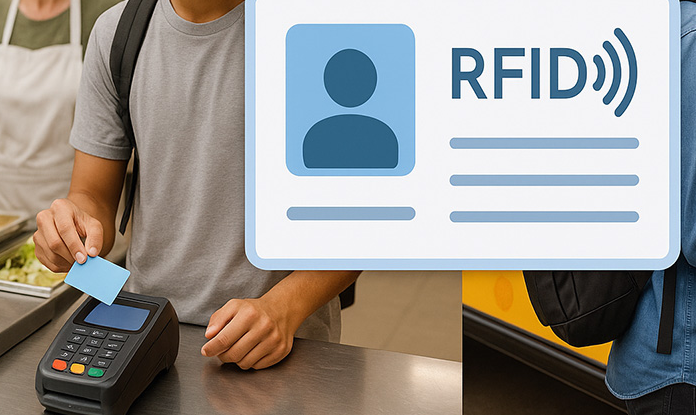
What Is RFID and Why It Matters in Smart Schools
RFID (Radio Frequency Identification) is a wireless data collection technology that uses electromagnetic fields to automatically identify and track objects or individuals. RFID systems consist of Tags (also called transponders), readers (interrogators), and back-end software. Tags are embedded with unique identification data and can be attached to ID Cards/" target="_blank">Cards, books, or other assets.
Types of RFID Technologies in Education
Low Frequency (LF): 125–134 kHz, suitable for short-range applications
High Frequency (HF): 13.56 MHz, widely used in student ID Cards/" target="_blank">Cards and library Tags
Ultra-High Frequency (UHF): 300 MHz–3 GHz, effective for long-range tracking and high-speed scanning
RFID enables real-time data visibility, reduces manual errors, and facilitates centralized monitoring—all essential for Smart campus infrastructure.
Smart Access Control: Campus Safety Begins at the Gate
Security is paramount in today's educational environment. RFID-based access control systems improve physical security and offer advanced visitor and student tracking.
RFID School ID Cards/" target="_blank">Cards
RFID-enabled ID Cards/" target="_blank">Cards authenticate users and regulate access to school entrances, classrooms, dormitories, labs, and other restricted areas. These Smart Cards log each interaction, allowing for robust monitoring and audit trails. Unlike barcode-based systems, RFID does not require direct scanning and reduces bottlenecks during entry.
Instant Alerts for Parents
Many schools integrate RFID with mobile apps or SMS gateways. Parents receive automatic notifications when their children enter or exit the campus, increasing transparency and reinforcing a sense of safety. For younger students, wristbands" target="_blank" style="margin: 0px; padding: 0px; color: rgb(0, 122, 255); text-decoration-line: none;"> wristbands wristbands" target="_blank" style="margin: 0px; padding: 0px; color: rgb(0, 122, 255); text-decoration-line: none;"> wristbands wristbands" target="_blank" style="margin: 0px; padding: 0px; color: rgb(0, 122, 255); text-decoration-line: none;"> wristbands wristbands" target="_blank" style="margin: 0px; padding: 0px; color: rgb(0, 122, 255); text-decoration-line: none;"> wristbandss" target="_blank" style="margin: 0px; padding: 0px; color: rgb(0, 122, 255); text-decoration-line: none;"> RFID wristbands" target="_blank" style="margin: 0px; padding: 0px; color: rgb(0, 122, 255); text-decoration-line: none;"> wristbandss offer a convenient alternative to Cards.
Automating Attendance: A Game Changer for Teachers
RFID attendance systems eliminate manual roll calls, minimize errors, and optimize class time.
Classroom Attendance with RFID Readers
RFID readers installed at classroom entrances or desks detect Student Cards/" target="_blank">Cards or wristbands" target="_blank" style="margin: 0px; padding: 0px; color: rgb(0, 122, 255); text-decoration-line: none;"> wristbandss as they enter. Attendance is marked in real time, and data is logged into centralized student information systems (SIS).
Real-Time Analytics and Reporting
Administrators can generate dynamic reports on student attendance trends, late arrivals, and absenteeism. Integrating RFID data with SIS dashboards also helps identify behavioral patterns that impact academic performance.
Enhanced Data Accuracy
RFID ensures data accuracy and prevents fraudulent check-ins, such as proxy attendance—a common issue in traditional paper-based systems.
School Bus Tracking: RFID for Transportation Safety
Transport management is a critical component of school operations. RFID enhances student safety and logistical efficiency in school bus systems.
Boarding Verification and Trip Logs
Students scan their RFID Cards or wristbands" target="_blank" style="margin: 0px; padding: 0px; color: rgb(0, 122, 255); text-decoration-line: none;"> wristbandss when boarding and exiting the bus. Each interaction logs the time, date, and bus number, enabling administrators to monitor student movement throughout the day.
GPS Integration and Live Parent Notifications
RFID data is often synchronized with GPS tracking systems, providing real-time updates to parents. Notifications are sent when a student boards or leaves the bus, offering reassurance and improving overall communication.
Route Optimization Using RFID Data
School transport teams can analyze travel times and student boarding patterns using RFID data. This helps optimize bus routes, reduce operational costs, and improve service quality.
RFID-Based Cashless Payment Systems in Schools
Contactless RFID Cards streamline financial transactions within the school ecosystem. From cafeterias to vending machines, RFID supports fast, secure, and traceable payments.
Contactless Campus Wallets
RFID Cards function as digital wallets, allowing students to purchase food, stationery, or other services. Terminals equipped with RFID readers enable quick tap-and-go payments.
Budget Controls for Parents
Parents can preload Cards with a set budget, set daily or weekly spending limits, and monitor transaction history via online portals. This promotes financial responsibility while ensuring students have access to essential services.
Centralized Financial Management
Schools benefit from reduced cash handling, streamlined accounting, and the ability to offer loyalty programs or subsidies through integrated RFID payment platforms.
RFID in School Libraries: Intelligent Book Management
The integration of RFID in libraries enhances user experience, improves inventory control, and strengthens security.
High-Speed Checkouts and Returns
RFID Tags attached to each book enable bulk checkouts and returns through self-service kiosks. The system reads multiple items simultaneously, saving time for both students and library staff.
Theft Detection and Security Gates
RFID security gates detect unissued books exiting the library. Unauthorized removals trigger alerts, reducing losses and encouraging proper borrowing procedures.
Automated Inventory and Shelf Management
Library staff use handheld RFID scanners to conduct rapid inventory checks. These devices read books on shelves without requiring direct sight, significantly reducing time spent on manual cataloging.
Integration with Library Management Software
RFID systems integrate seamlessly with digital catalogs, student accounts, and circulation systems. Users can receive overdue alerts, book availability notifications, and borrowing history updates in real time.
Selecting the Right RFID Solutions for Schools
Choosing appropriate RFID solutions requires a thoughtful evaluation of student needs, infrastructure readiness, and long-term sustainability.
For identity verification and access control, Smart Cards embedded with high-frequency chips offer a balance between durability and performance. These Cards can also double as payment Cards, streamlining services under a single ID.
wristbands" target="_blank" style="margin: 0px; padding: 0px; color: rgb(0, 122, 255); text-decoration-line: none;"> wristbands wristbands" target="_blank" style="margin: 0px; padding: 0px; color: rgb(0, 122, 255); text-decoration-line: none;"> wristbands wristbands" target="_blank" style="margin: 0px; padding: 0px; color: rgb(0, 122, 255); text-decoration-line: none;"> wristbands wristbands" target="_blank" style="margin: 0px; padding: 0px; color: rgb(0, 122, 255); text-decoration-line: none;"> wristbandss" target="_blank" style="margin: 0px; padding: 0px; color: rgb(0, 122, 255); text-decoration-line: none;"> RFID wristbands" target="_blank" style="margin: 0px; padding: 0px; color: rgb(0, 122, 255); text-decoration-line: none;"> wristbandss may be more suitable for younger students due to their wearability and lower risk of loss. Made from waterproof, tamper-proof materials, they’re ideal for attendance tracking and transportation.
In library settings, adhesive HF Tags embedded within book covers ensure accurate item recognition and long-term resilience. These Tags integrate effortlessly with most modern library systems and withstand frequent handling.
Schools should also invest in a reliable network of fixed and mobile RFID readers. Fixed readers at gates, classrooms, and cafeterias ensure consistent data capture, while handheld scanners provide flexibility for inventory or spot checks.
A robust software backend is equally essential—enabling real-time analytics, system integration, and scalable data management. Prioritizing interoperability ensures RFID systems work seamlessly with existing platforms such as student information systems, financial software, and learning management systems.
Final Thoughts: RFID as a Foundation for the Modern Smart Campus
RFID technology is transforming the way schools operate, bridging the gap between physical infrastructure and digital intelligence. It provides a unified solution for access control, attendance tracking, student transport, financial transactions, and library automation—all crucial components of a modern, data-driven campus.
Beyond its technical benefits, RFID empowers schools to create safer, more transparent, and more efficient environments. It enhances parental communication, reduces administrative workload, and improves the overall educational experience for students.
As the push toward Smart campuses accelerates, RFID stands out as an essential enabler of this evolution. Institutions that adopt RFID not only improve current operations but also lay the groundwork for scalable, future-ready education ecosystems.