Welcome To HuiXin IOT : Pioneering RFID Solutions for a Connected World!
Electronic anti-theft systems refer to a general term for RF, AM, and EM anti-theft systems, commonly used in libraries, shopping malls, and other similar locations. While their principles and usage methods differ, they all utilize electromagnetic induction to detect items with anti-theft tags, ensuring the integrity and security of the electronic anti-theft system.
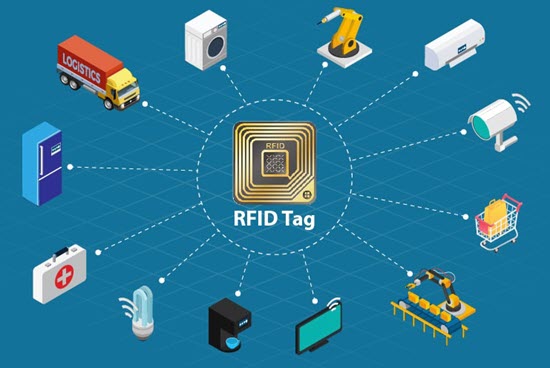 RFID Tags, What are They Used for? - Camcode">
Traditional Anti-theft Modes
RF Anti-theft Systems: Also known as radio frequency anti-theft systems, RF systems use radio frequency signals for detection. Their operating frequency is typically around 8.2MHz. The advantages of RF systems are long detection range and good anti-theft effect, but their disadvantage is susceptibility to metal shielding.
AM Anti-theft Systems: Also known as magnetic anti-theft systems, AM systems utilize magnetic field induction. Their operating frequency is typically around 58kHz. The advantages of AM systems are good metal shielding performance, but their disadvantage is a relatively short detection range.
Traditional Anti-theft Modes
RF Anti-theft Systems: Also known as magnetic anti-theft systems, AM systems utilize magnetic field induction. Their operating frequency is typically around 58kHz. EM Anti-theft System: Also known as an electronic anti-theft system, the EM anti-theft system utilizes the principle of electromagnetic induction for theft prevention. The operating frequency of an EM anti-theft system is generally around 1.95MHz. The advantage of the EM anti-theft system is its good anti-theft effect on both metallic and non-metallic items, but its disadvantage is its relatively short detection distance. In general, RF anti-theft systems are suitable for large shopping malls and supermarkets, and are suitable for preventing theft of large quantities of goods; AM anti-theft systems are suitable for small shops and bookstores, and are suitable for preventing theft of small items; EM anti-theft systems are suitable for protecting high-end goods such as cultural relics, artworks, and jewelry.
Mainstream Anti-theft Modes in Smart Libraries
RFID (Radio Frequency Identification) anti-theft systems are a technology that uses radio frequency technology to prevent book theft. Its working principle is to attach RFID tags to books. When a book leaves the library without going through the borrowing/returning process, the RFID reader will automatically detect it and sound an alarm, alerting the administrator to take action.