According to the frequency, RFID tags can be divided into low-frequency tags (LF), high-frequency tags (HF), and ultra-high frequency tags (UHF). The main frequency of low-frequency RFID tags is 125
There are several important requirements in the design of RFID tag antennas, which mainly depend on the application of the tag. These design requirements also determine the standards for selecting RFI
Tray RFID tag is a wireless radio frequency identification tag specifically designed for trays (such as wooden trays, plastic trays, etc.). These labels can help businesses achieve real-time tracking
Since the Ministry of Industry and Information Technology officially released the "12th Five Year Plan for the Development of the Internet of Things", the Internet of Things has been identified as one
The application scenarios of ultra-high frequency RFID tags in the market are quite broad, with advantages such as the ability to read multiple tags at once, long recognition distance, fast data trans
Nowadays, more and more consumers choose customized solutions when shopping. For manufacturers, this means that many of the products they produce are unique. It can be foreseen that in future factorie
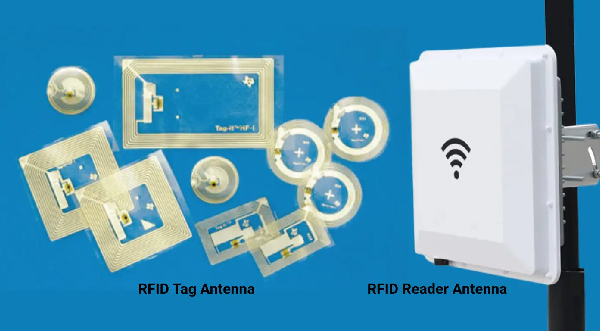
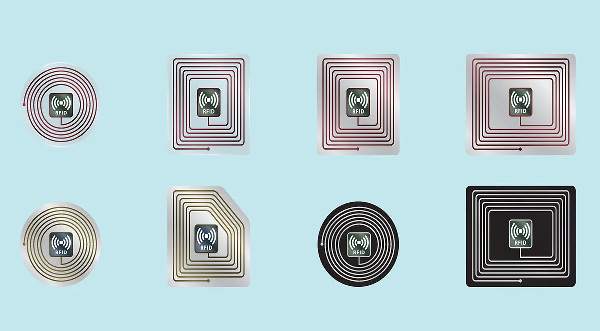
For RFID tags, the antenna is a crucial part that is closely related to the system frequency band requirements.At present, RFID tag antennas can be roughly classified into the following categories bas
Origin of RFID tagsRFID tags use radio frequency identification technology, which was first applied in the development of the identification Friend or Foe (IFF) system technology at the US Navy Labora
1, fast and accurate positioning: mobile inspection equipment are stored on the distribution maps of the entire registry, files made by geo-location will be instructed, quick search and archive operat
RFID (Radio Frequency Identification) tags are devices that utilize wireless radio frequency signals for automatic identification. Comprising a microchip and an antenna, they can store data and commun
Radio Frequency Identification (RFID) technology has become one of the most important enablers of digital transformation across industries such as retail, logistics, healthcare, manufacturing, and sup