The acceleration and popularization of digitization and unmanned processes have led to changes in many existing management methods. Using
RFID technology
Technology, unmanned convenience stores, unmanned supermarkets, electronic currency, self checkout, and other technologies have transformed from their original ideas into real existence in real life. Libraries naturally need to keep up with the pace of the times.
Is it true that in many people's memories, the library is like layers of metal bookshelves, scattered with worn-out covers, incomplete inner pages, and unclear classification of books? Every time you look for a book, you have to first look for the classification on the shelf, and then read each book layer by layer. When borrowing and returning books, you have to queue up on weekends when there are many people, and the anti-theft door at the entrance often causes false alarms due to incomplete demagnetization. After the emergence of e-books, there were fewer visits to the library, and the library that remained in memory seemed to stop at those scenes.
Perhaps no one expected that the library would undergo earth shattering changes many years later. The open and bright environment, upon entering, first passes through the acrylic based security access control, with a row of self-service book borrowing and returning machines arranged next to it
Previously, there were only two or three busy staff members at the consultation desk leisurely looking at their computers, and one had just returned pushing the inventory machine. In the corner, there was a machine running, transporting books to different boxes through a conveyor belt. The display screen on the bookshelf indicates the type of book, and a few borrowers are operating the machines next to the bookshelf. After they finish operating, the indicator lights on the bookshelf light up, and the display screen also shows the location information of the books they are looking for.
This is the best era, where we have encountered smart libraries and devices that enhance the user experience. Relying on
RFID technology, book management has made a qualitative leap, changing not only the books themselves, but also the entire library related processes.
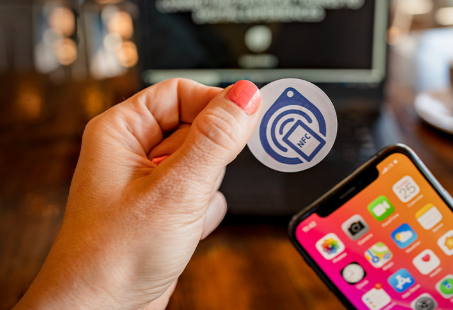
RFID electronic tags are affixed to books, and to recognize these tags, bookshelves need corresponding readers to read them in order to identify the location and borrowing/returning status of book information. Borrowing and returning books is no longer a manual intervention, and self-service book borrowing and returning machines also modify the status of books by recognizing the labels on them. When someone mistakenly takes books from the bookshelf directly out of the designated area,
RFID security door
It will sense the status of the book label and issue an alarm, reminding you to apply for borrowing books.
For the staff in the library, there is no need to repeat the work of book classification and inventory every day. The returned books can be directly sorted by the book sorting system to identify the book labels according to the set categories. They only need to place the sorted books on the bookshelf, and the inventory work does not need to be too frequent. With the intelligent bookshelf and handheld inspection device, the information of the bookshelf can be updated in real time, and the wrong shelf reminder can be provided. The handheld inspection device only needs to be plugged into the bookshelf to know the book information on that layer. The work of borrowing and returning books can be completed through smart bookshelves or self-service borrowing and returning machines. Previously, it was necessary to regularly check whether the barcode on the back of the book was damaged, and when updating the search directory, the barcode had to be reattached to the back of the book. However,
RFID uses electronic tags, which have incomparable advantages. Electronic tags are processed through special processes and have special materials for packaging on the surface. The information inside the tag can be stored, and when modifying it, only the
RFID reader/writer is needed
After updating the information, it can be stored without the need for replacement.
Libraries are naturally suitable for using
RFID technology
This is a successful case of
RFID application scenarios, and currently, various provincial, municipal, and district libraries, as well as university libraries, have applied
RFID technology to the construction of libraries in China. Smart library equipment is also adapting to development, constantly launching more user-friendly and stable performance products.